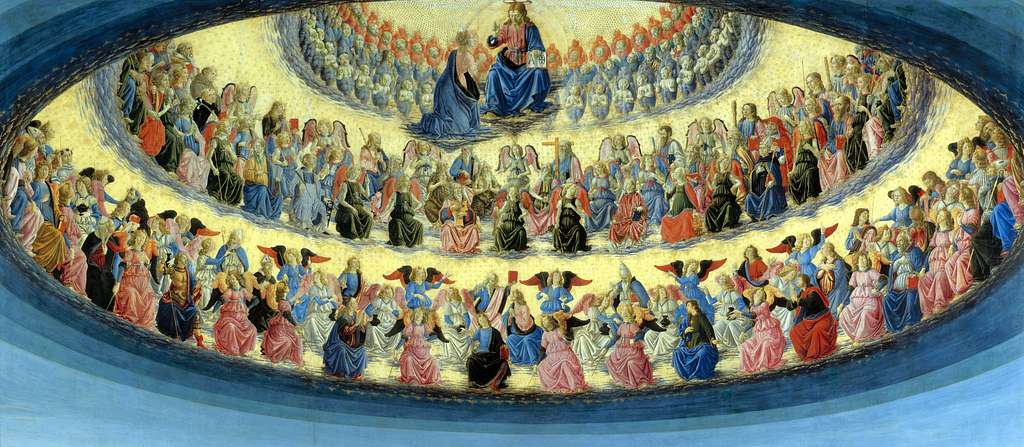
Hagiography: The Influence of Saints’ Lives in Medieval & Early Christian Writings
Hagiography, the study and writing of saints’ lives, holds a central place in Medieval & Early Christian Writings, shaping Western culture and civilization. These sacred biographies, such as The Life of St. Francis and Confessions of St. Patrick, offer more than just historical accounts—they serve as spiritual guides, reinforcing Christian values, inspiring devotion, and preserving the legacy of influential saints.
The Role of Hagiography in Medieval Society
During the medieval period, hagiographies were vital tools for promoting religious ideals and providing moral exemplars for Christian communities. These writings blended history, theology, and legend, illustrating the extraordinary lives of saints and their unwavering faith. Saints were portrayed as models of piety, often enduring trials, miracles, and divine encounters that affirmed their holiness. By emphasizing themes of sacrifice, humility, and divine grace, hagiographies contributed to the religious and cultural identity of Western civilization.
The Life of St. Francis: A Testament to Humility and Service
One of the most celebrated hagiographies, The Life of St. Francis, chronicles the journey of St. Francis of Assisi, a nobleman who renounced wealth to live a life of poverty, preaching compassion and devotion to God. Written by St. Bonaventure and Thomas of Celano, these accounts portray Francis as a Christ-like figure, emphasizing his deep connection with nature, his commitment to charity, and his role in revitalizing Christian spirituality. His life and teachings profoundly influenced medieval religious movements, particularly the rise of the Franciscan order, shaping the moral landscape of Western civilization.
Confessions of St. Patrick: A Story of Redemption and Evangelism
Written by St. Patrick himself, Confessions provides a deeply personal account of his transformation from a captive in Ireland to a missionary who converted the Irish people to Christianity. His work is not only a testimony of faith but also a reflection of the power of divine calling. St. Patrick’s influence extends beyond his time, as his missionary efforts played a crucial role in spreading Christianity throughout Western Europe, further embedding Christian doctrine in medieval culture.
The Lasting Impact of Hagiography on Western Civilization
Hagiographies have played an essential role in shaping Western literature, religious thought, and moral ideals. These narratives provided medieval societies with a framework for Christian virtue, reinforcing notions of piety, perseverance, and divine purpose. Today, their influence can still be seen in religious traditions, literature, and even popular culture.
The lives of saints, as recorded in Medieval & Early Christian Writings, continue to inspire believers and scholars alike. Whether through The Life of St. Francis, Confessions of St. Patrick, or countless other accounts, hagiographies serve as enduring testaments to faith, shaping the spiritual and ethical fabric of Western civilization.


Leave a comment