-

The Scientific Revolution and Enlightenment transformed Western thought through rationalist writings by Isaac Newton and René Descartes. These thinkers emphasized observation and reason, laying foundations for scientific inquiry. Their ideas fostered critical thinking and reshaped literature and culture, establishing lasting legacies in rational discourse and the belief in progress within Western civilization.
-
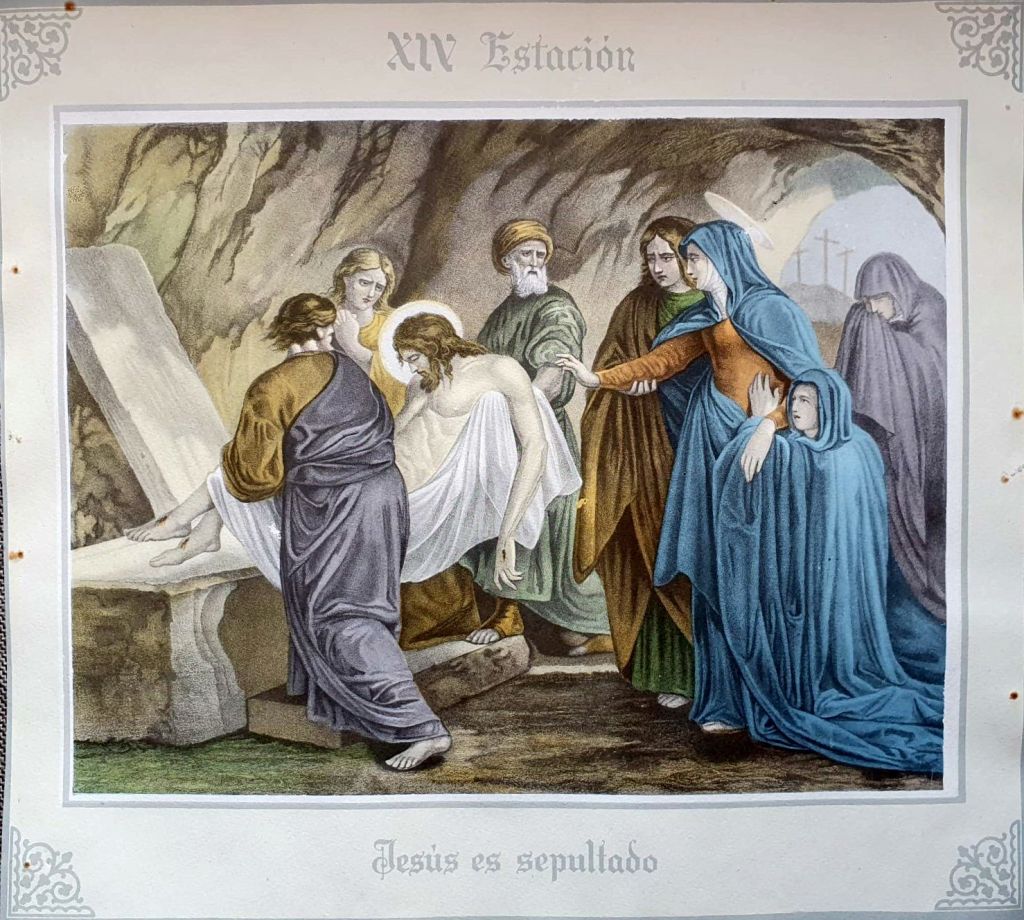
Holy Saturday, situated between Good Friday’s sorrow and Easter Sunday’s joy, emphasizes silence, waiting, and renewal in Catholic theology. Central to this day is the Harrowing of Hell, representing Christ’s solidarity with humanity. Its significance shapes Western thought on patience, human dignity, and cultural renewal, reminding believers of hope amidst despair.
-
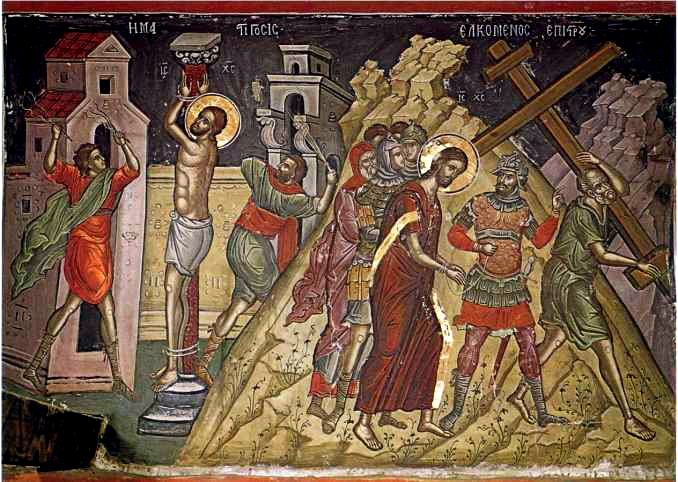
Good Friday marks the crucifixion of Jesus, embodying paradox and redemption in Christian belief. Central to this day is the Cross, symbolizing transformative suffering. Good Friday’s message reshaped Western ethics, emphasizing compassion, justice, and the dignity of the suffering. Its influence permeates art, philosophy, and societal values, promoting resilience through redemptive love.
-
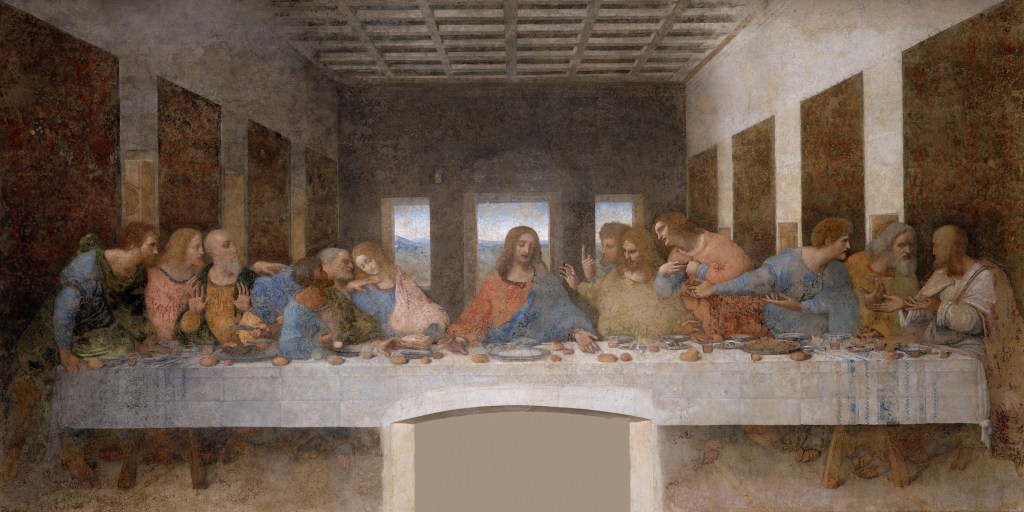
Holy Thursday, the beginning of the Sacred Triduum, marks one of the most profound moments in Christian history—the Last Supper. On this evening, Jesus instituted both the Holy Eucharist and the priesthood, forever intertwining sacrament and service. This sacred event, recorded in the Gospels (Luke 22:14-20; John 13:1-17), has not only shaped Catholic theology and
-

The Holy Triduum, comprising Holy Thursday, Good Friday, and Holy Saturday culminating in the Easter Vigil, is the most sacred time of the liturgical year in the Catholic Church. This three-day liturgical journey through the Passion, Death, and Resurrection of Jesus Christ stands as a profound cornerstone not only of Christian spirituality but also of
-

Enlightenment philosophy in the 17th and 18th centuries, led by John Locke, Jean-Jacques Rousseau, and Voltaire, transformed Western culture through ideas of reason, individual rights, and governance. Their works influenced modern democracy and civic values, promoting rationality, freedom, and social responsibility while significantly impacting political revolutions and literary movements.
-

Neoclassical satire emerged during the Enlightenment as a potent medium for social critique, exemplified by Jonathan Swift and Alexander Pope. Their works exposed societal contradictions and human follies, blending humor and sharp irony. This literary tradition profoundly shaped Western culture, influencing modern critiques through its enduring commitment to wit and reason.
-

The sonnet and Renaissance poetry significantly shaped Western literature, characterized by influential poets like Petrarch, Sidney, and Spenser. These poets enhanced poetic form with themes of love and humanism, altering literary expression. Their legacy continues to impact modern literature, emphasizing the timeless nature of artistic innovation and human emotion.
-
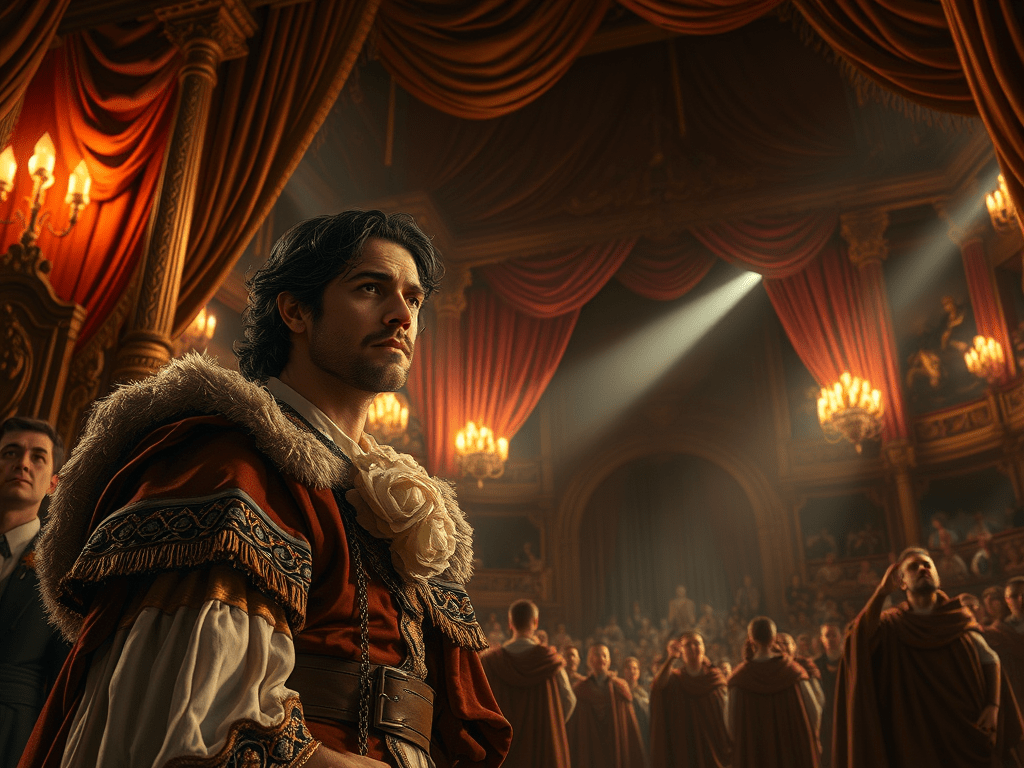
Renaissance drama revolutionized storytelling in literature, marked by playwrights like Shakespeare and Marlowe. They merged classical influences with complex characters and philosophical themes, shaping modern theater. Shakespeare’s nuanced exploration of human experience and Marlowe’s tragic heroism enriched the dramatic landscape, leaving a lasting impact on literature and cultural expression today.
-

The rise of humanist essays and treatises during the Renaissance revolutionized Western thought by emphasizing reason, individualism, and classical learning. Figures like Erasmus and Montaigne challenged medieval thought, blending intellectual inquiry with personal reflection. Their works significantly influenced modern philosophy, literature, and education, leaving a lasting legacy in Western civilization.
-
Subscribe
Subscribed
Already have a WordPress.com account? Log in now.
 Learn Western Culture