history
-
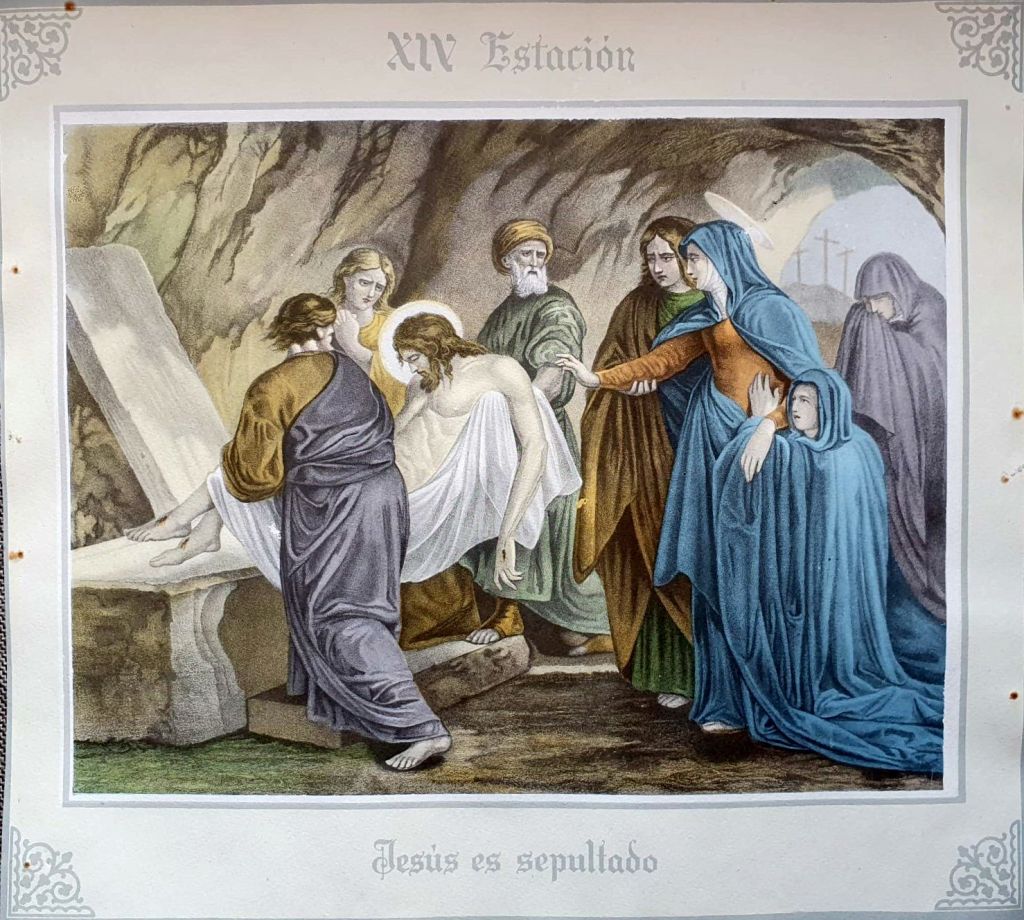
Holy Saturday, situated between Good Friday’s sorrow and Easter Sunday’s joy, emphasizes silence, waiting, and renewal in Catholic theology. Central to this day is the Harrowing of Hell, representing Christ’s solidarity with humanity. Its significance shapes Western thought on patience, human dignity, and cultural renewal, reminding believers of hope amidst despair.
-
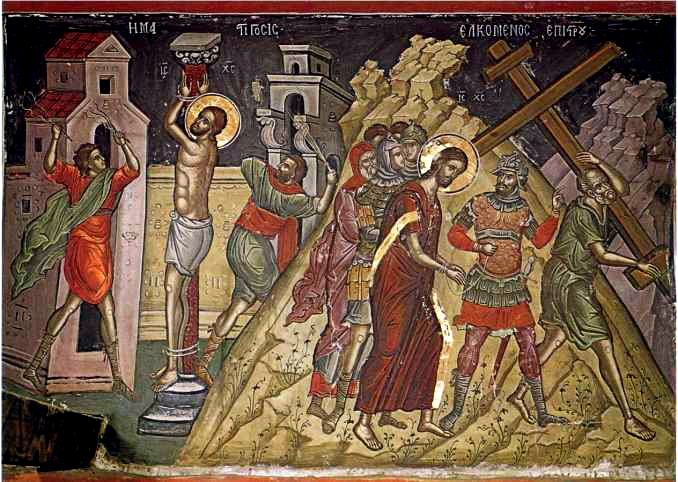
Good Friday marks the crucifixion of Jesus, embodying paradox and redemption in Christian belief. Central to this day is the Cross, symbolizing transformative suffering. Good Friday’s message reshaped Western ethics, emphasizing compassion, justice, and the dignity of the suffering. Its influence permeates art, philosophy, and societal values, promoting resilience through redemptive love.
-

The Holy Triduum, comprising Holy Thursday, Good Friday, and Holy Saturday culminating in the Easter Vigil, is the most sacred time of the liturgical year in the Catholic Church. This three-day liturgical journey through the Passion, Death, and Resurrection of Jesus Christ stands as a profound cornerstone not only of Christian spirituality but also of…
-

Enlightenment philosophy in the 17th and 18th centuries, led by John Locke, Jean-Jacques Rousseau, and Voltaire, transformed Western culture through ideas of reason, individual rights, and governance. Their works influenced modern democracy and civic values, promoting rationality, freedom, and social responsibility while significantly impacting political revolutions and literary movements.
-

Neoclassical satire emerged during the Enlightenment as a potent medium for social critique, exemplified by Jonathan Swift and Alexander Pope. Their works exposed societal contradictions and human follies, blending humor and sharp irony. This literary tradition profoundly shaped Western culture, influencing modern critiques through its enduring commitment to wit and reason.
-

Philosophical Dialogues: The Enduring Influence of Plato and Aristotle on Western Culture Philosophical dialogues have been instrumental in shaping Western culture, serving as foundational texts that continue to inform modern thought. From Plato’s Republic to Aristotle’s Poetics, these works explore fundamental questions about justice, governance, ethics, and artistic expression. Their influence extends beyond philosophy into…
-
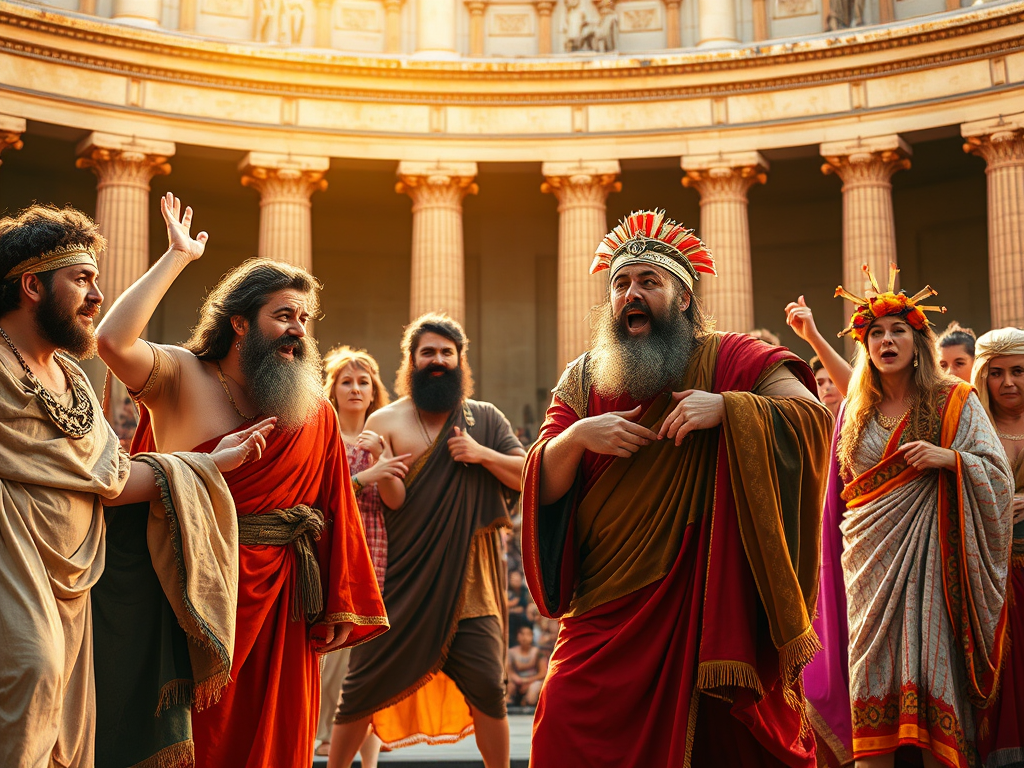
The Legacy of Greek Comedy: How Aristophanes and Plautus Shaped Classical Foundations Greek comedy remains one of the most enduring contributions of ancient theater, offering insight into politics, society, and human nature. From Aristophanes to Plautus, comedic playwrights crafted stories that entertained audiences while subtly (or not so subtly) critiquing contemporary issues. This legacy continues…
 Learn Western Culture