christianity
-
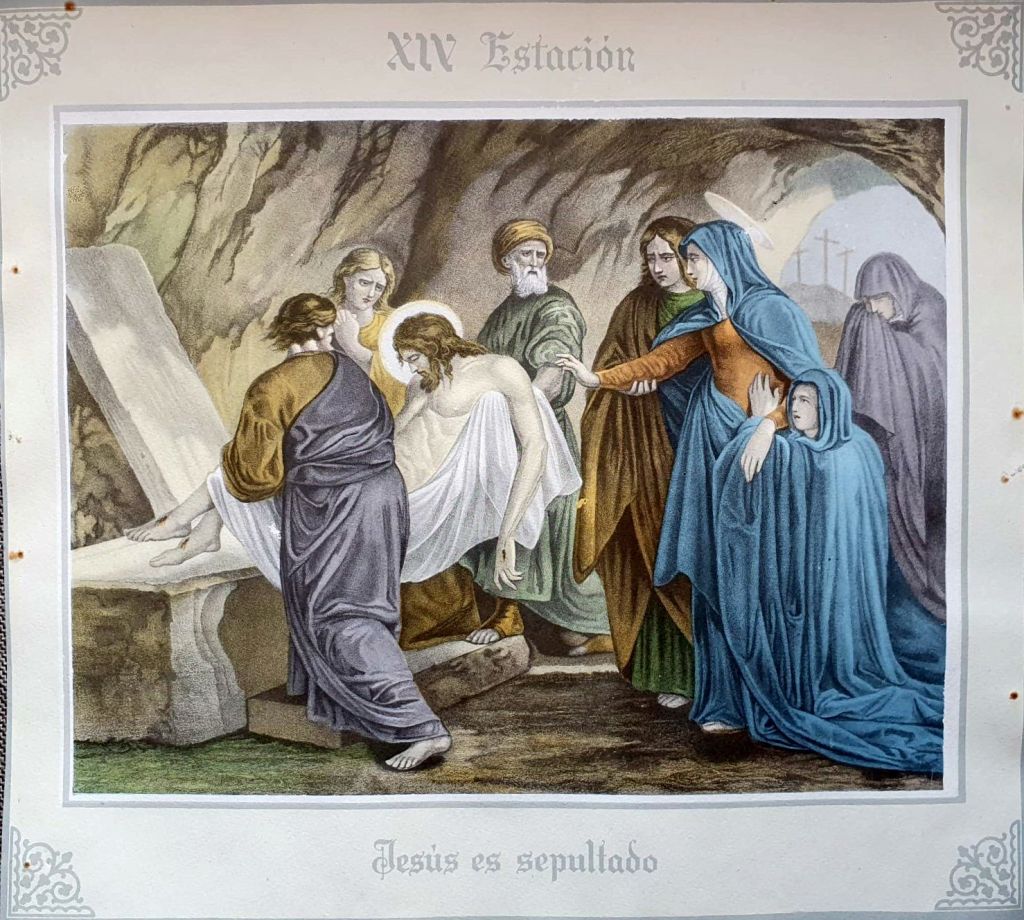
Holy Saturday, situated between Good Friday’s sorrow and Easter Sunday’s joy, emphasizes silence, waiting, and renewal in Catholic theology. Central to this day is the Harrowing of Hell, representing Christ’s solidarity with humanity. Its significance shapes Western thought on patience, human dignity, and cultural renewal, reminding believers of hope amidst despair.
-
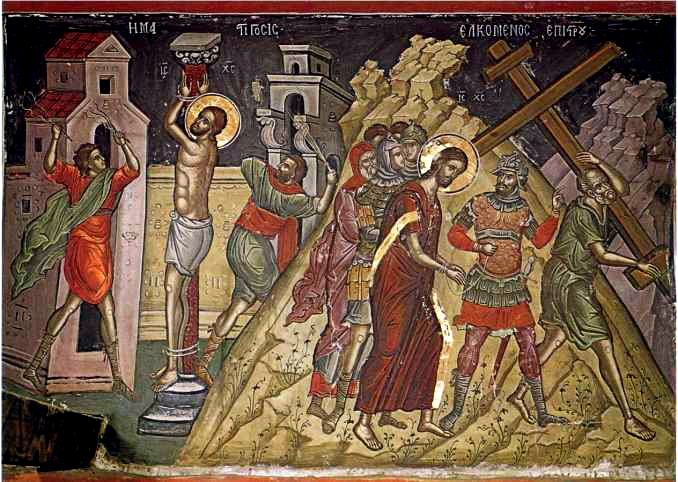
Good Friday marks the crucifixion of Jesus, embodying paradox and redemption in Christian belief. Central to this day is the Cross, symbolizing transformative suffering. Good Friday’s message reshaped Western ethics, emphasizing compassion, justice, and the dignity of the suffering. Its influence permeates art, philosophy, and societal values, promoting resilience through redemptive love.
-

The Holy Triduum, comprising Holy Thursday, Good Friday, and Holy Saturday culminating in the Easter Vigil, is the most sacred time of the liturgical year in the Catholic Church. This three-day liturgical journey through the Passion, Death, and Resurrection of Jesus Christ stands as a profound cornerstone not only of Christian spirituality but also of…
-

Christian Theology & Apologetics Shaping Western Culture Through Medieval & Early Christian Writings Throughout history, Christian theology and apologetics have profoundly influenced Western civilization. From the early centuries of Christianity through the medieval period, seminal theological works such as Augustine’s Confessions and Aquinas’s Summa Theologica provided the intellectual and spiritual framework that shaped philosophy, ethics,…
-

St. Patrick is one of the most well-known figures in Western Christian history, credited with bringing Christianity to Ireland and shaping the spiritual and cultural identity of the island. However, the Ireland he encountered was vastly different from the one he left behind. Understanding Ireland before St. Patrick, his mission, and the subsequent influence of…
 Learn Western Culture