-
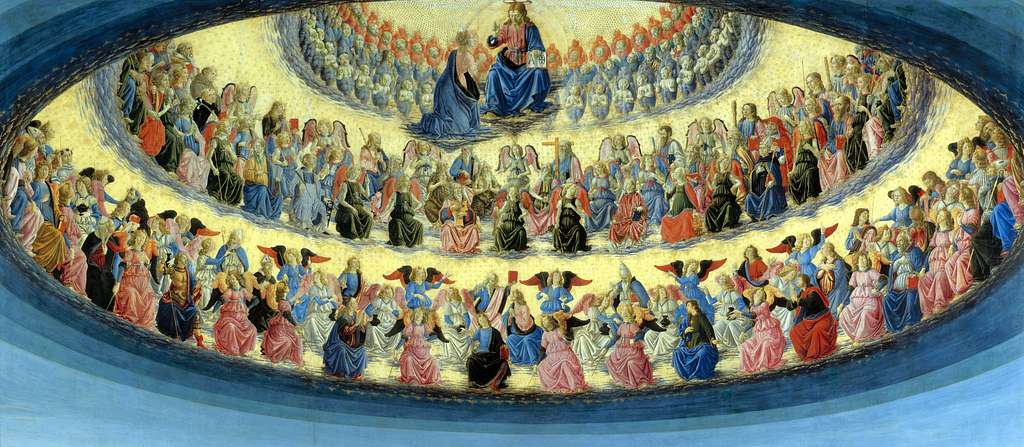
Hagiography, the writing of saints’ lives, was pivotal in Medieval and Early Christian Writings, conveying spiritual guidance and reinforcing Christian ideals. Works like The Life of St. Francis and Confessions of St. Patrick illustrated themes of piety, humility, and divine inspiration, shaping Western culture and influencing religious thought throughout history.
-

Chivalric romance, deeply rooted in Medieval & Early Christian writings, showcases ideals of knighthood, emphasizing honor, loyalty, and bravery. Notable works like Sir Gawain and the Green Knight and The Song of Roland illustrate this tradition, blending adventure with moral teachings. Their influence continues to resonate in contemporary literature and culture.
-
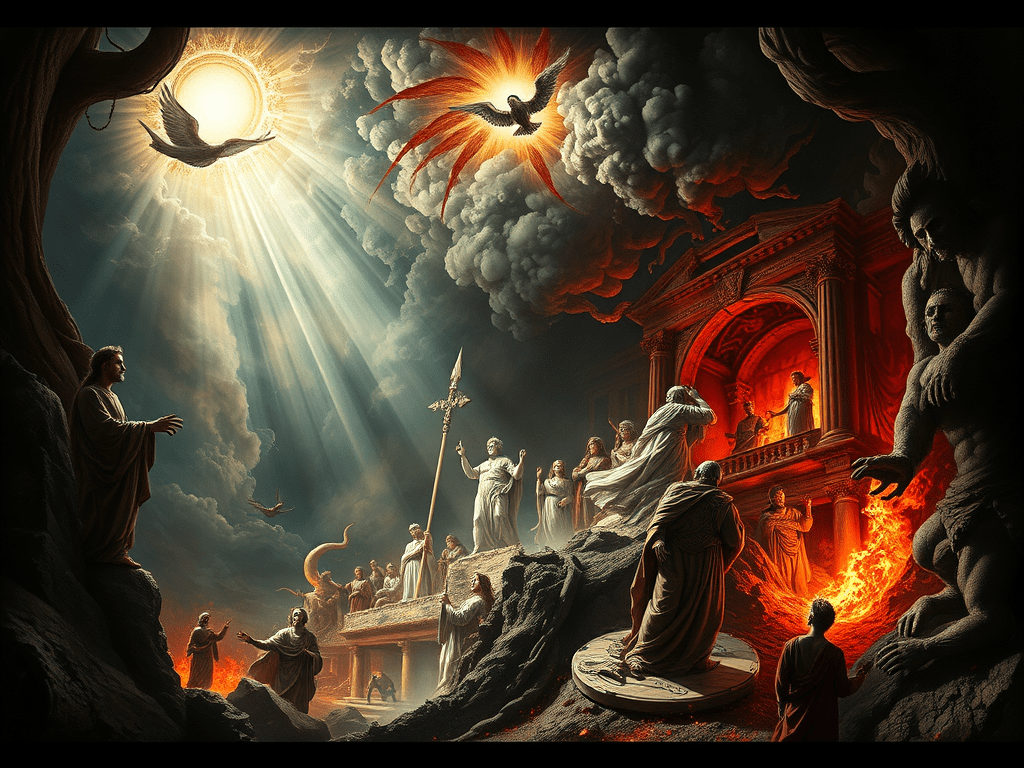
Allegory in Western Culture: Dante’s Divine Comedy and Everyman Allegory has played a crucial role in shaping Western Civilization, particularly through the Medieval and Early Christian writings that used symbolic storytelling to convey theological and moral truths. Two of the most significant allegorical works, Dante Alighieri’s Divine Comedy and the morality play Everyman, offer profound
-

Christian Theology & Apologetics Shaping Western Culture Through Medieval & Early Christian Writings Throughout history, Christian theology and apologetics have profoundly influenced Western civilization. From the early centuries of Christianity through the medieval period, seminal theological works such as Augustine’s Confessions and Aquinas’s Summa Theologica provided the intellectual and spiritual framework that shaped philosophy, ethics,
-

Biblical Literature: The Enduring Influence of Genesis, Psalms, and The Gospels in Western Culture Biblical literature has profoundly shaped Western culture, providing foundational narratives, moral teachings, and poetic expressions that continue to resonate across religious, literary, and philosophical traditions. From the creation stories of Genesis to the lyrical depth of the Psalms and the moral
-

Mythological Narratives: The Lasting Legacy of Hesiod and Ovid in Western Culture Mythological narratives have played a fundamental role in shaping Western culture, providing timeless stories that explore human nature, the divine, and the origins of the world. From Hesiod’s Theogony to Ovid’s Metamorphoses, these works serve as essential components of the Ancient and Classical
-

St. Patrick is one of the most well-known figures in Western Christian history, credited with bringing Christianity to Ireland and shaping the spiritual and cultural identity of the island. However, the Ireland he encountered was vastly different from the one he left behind. Understanding Ireland before St. Patrick, his mission, and the subsequent influence of
-

Roman Satire: The Cutting Wit of Juvenal and Horace in Western Culture Roman satire stands as one of the most influential literary traditions of antiquity, offering sharp critiques of society, politics, and human folly. As a defining feature of Western culture, satire—originating from writers like Juvenal and Horace—remains a powerful tool for social commentary. Rooted
-
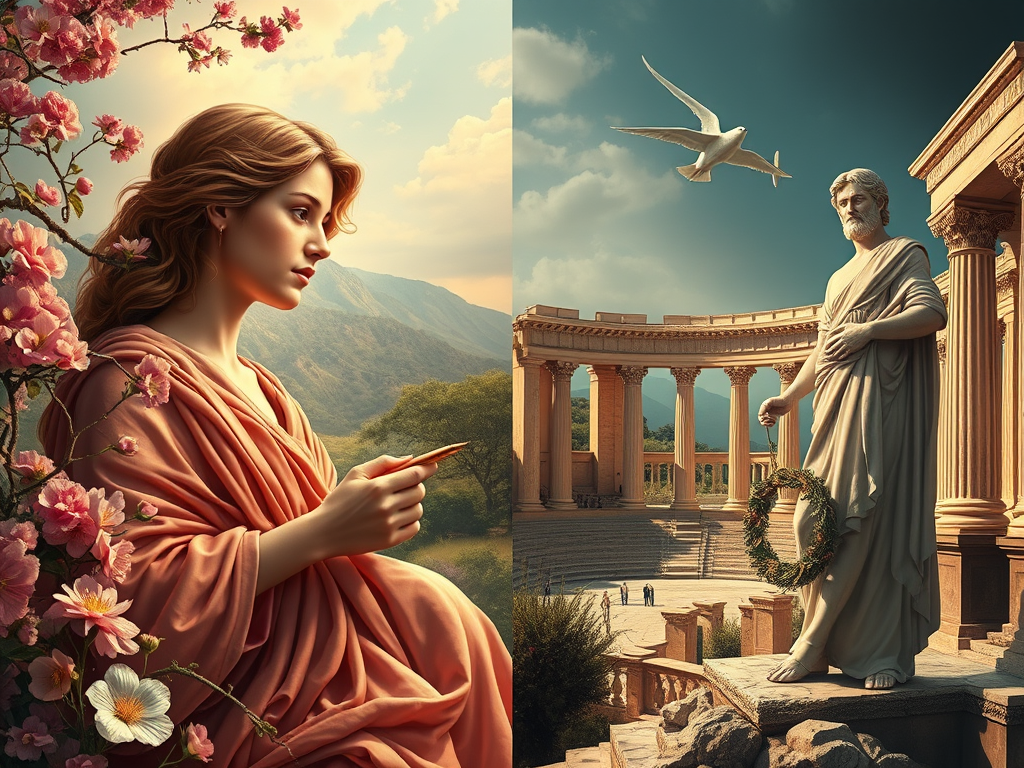
Lyric Poetry: The Timeless Voice of Sappho and Pindar in Western Culture Lyric poetry is one of the most intimate and expressive forms of literature to emerge from Ancient Greece, providing a window into personal emotions, public celebrations, and cultural ideals. The works of poets such as Sappho and Pindar remain foundational to Western culture,
-

Philosophical Dialogues: The Enduring Influence of Plato and Aristotle on Western Culture Philosophical dialogues have been instrumental in shaping Western culture, serving as foundational texts that continue to inform modern thought. From Plato’s Republic to Aristotle’s Poetics, these works explore fundamental questions about justice, governance, ethics, and artistic expression. Their influence extends beyond philosophy into
-
Subscribe
Subscribed
Already have a WordPress.com account? Log in now.
 Learn Western Culture