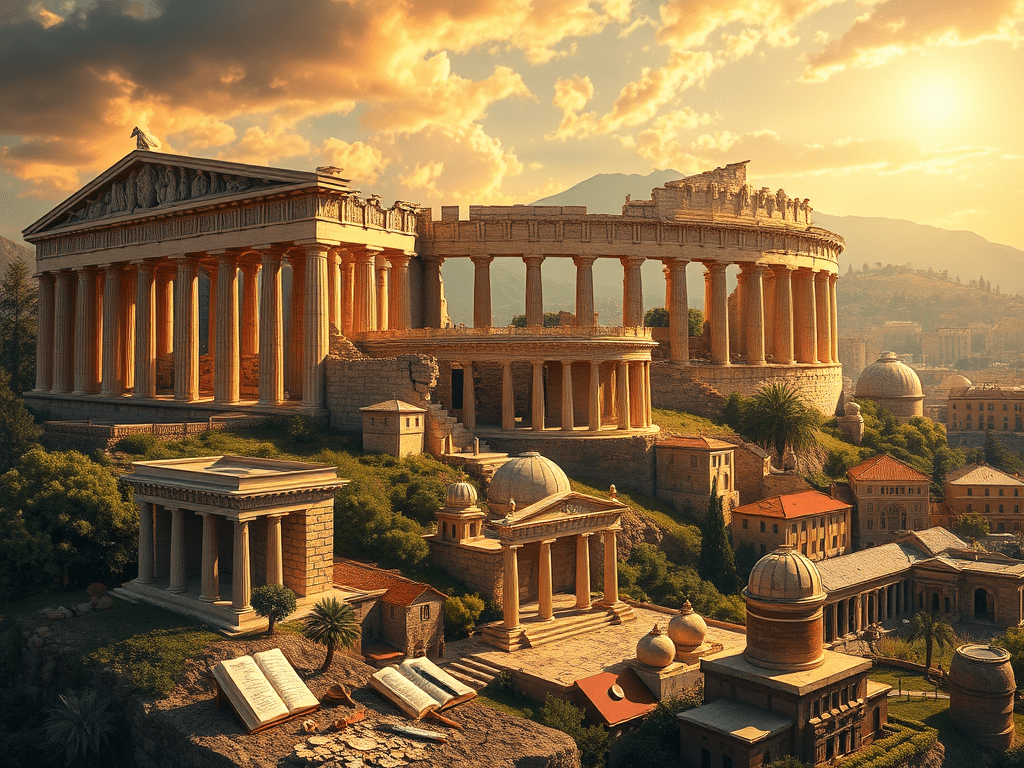
The History, Values, and Influence of the West
Western culture has played a pivotal role in shaping the modern world, influencing everything from art and philosophy to governance and social values. But what is Western civilization, and how has it evolved over time? In this comprehensive guide, we will explore the definition, history, values, and artistic contributions of Western civilization and examine how it continues to shape global societies today.
What Is Western Civilization?
Western civilization, often synonymous with Western culture, refers to the societal norms, traditions, ethical values, and innovations that have developed in Europe and later expanded to other parts of the world, particularly North America, Australia, and New Zealand. The concept of Western civilization is deeply rooted in the philosophical, political, and artistic achievements of Ancient Greece and Rome, followed by the influence of the Renaissance, the Enlightenment, and the Industrial Revolution.
Western Culture Definition
Western culture is broadly defined as the social, political, and intellectual traditions that emerged from Europe and have influenced various parts of the world. It encompasses democracy, individual rights, scientific advancements, and artistic movements that have shaped global civilization. The emphasis on reason, freedom, and progress distinguishes Western culture from other cultural traditions.
The History of Western Civilization
Ancient Foundations
The origins of Western civilization can be traced back to Ancient Greece and Rome. Greek philosophy, particularly the works of Socrates, Plato, and Aristotle, laid the groundwork for Western thought. The Romans contributed significantly to legal systems, engineering, and governance, many of which still influence modern societies today.
The Middle Ages
After the fall of the Roman Empire, Europe entered the Middle Ages, a period marked by feudalism, the rise of Christianity, and the preservation of knowledge through monastic institutions. Though often referred to as the “Dark Ages,” this era also saw the foundations of universities and Gothic architecture.
The Renaissance and Enlightenment
The Renaissance (14th-17th centuries) brought a revival of art, literature, and humanistic values, emphasizing individual potential and scientific discovery. The Enlightenment (17th-18th centuries) further propelled Western civilization toward progress by championing reason, democracy, and secularism.
The Industrial Revolution to Modern Western Civilization
The Industrial Revolution (18th-19th centuries) transformed economies, leading to urbanization and technological advancement. Modern Western civilization continues to be shaped by these historical milestones, evolving through political movements, digital innovation, and globalization.
Western Culture Values
Western culture is defined by a set of core values that influence governance, social structures, and daily life. These include:
- Democracy and Individual Rights: The belief in freedom of speech, equality, and the rule of law has been a cornerstone of Western civilization.
- Rationalism and Scientific Inquiry: The pursuit of knowledge through reason and empirical evidence has fueled scientific and technological progress.
- Humanism: A focus on individual potential, personal growth, and human dignity.
- Capitalism and Innovation: Market economies and entrepreneurship have driven economic prosperity in Western culture countries.
- Religious Freedom and Secularism: While Christianity has historically influenced Western civilization, modern societies emphasize religious tolerance and secular governance.
Western Culture Art and Literature
Art has been a defining feature of Western culture, reflecting its values and historical changes. Key artistic periods include:
- Classical Art (Ancient Greece and Rome): Known for sculptures, architecture, and philosophy that emphasized realism and balance.
- Renaissance Art (14th-17th centuries): Masterpieces by Leonardo da Vinci, Michelangelo, and Raphael showcased humanist ideals.
- Baroque and Romanticism (17th-19th centuries): These movements emphasized grandeur, emotion, and individual expression.
- Modern and Contemporary Art: From Impressionism to abstract and digital art, Western culture continues to innovate in artistic expression.
Western Culture Countries
Countries that are considered part of Western culture typically share common historical roots, values, and governance systems. These include:
- Europe: The United Kingdom, France, Germany, Italy, Spain, and other European nations are foundational to Western civilization.
- North America: The United States and Canada are major Western culture countries, known for their influence in politics, economics, and technology.
- Australia and New Zealand: These nations share Western traditions, democratic institutions, and cultural influences.
- Latin America: While blending indigenous and Western influences, many Latin American countries have adopted Western political and economic models.
The Global Influence of Western Civilization
Western civilization’s impact extends beyond its geographical boundaries, influencing global politics, economics, and popular culture. Modern Western civilization has contributed to technological innovation, medical advancements, and cultural exchanges through globalization. However, it also faces challenges such as cultural homogenization, ethical debates on capitalism, and critiques of historical colonialism.
Conclusion
Western culture and civilization have evolved through centuries of intellectual, artistic, and political advancements. From ancient philosophy to modern democratic societies, the influence of Western civilization remains profound. Understanding its history, values, and artistic achievements allows us to appreciate its contributions and navigate its future in an increasingly interconnected world.
 Learn Western Culture