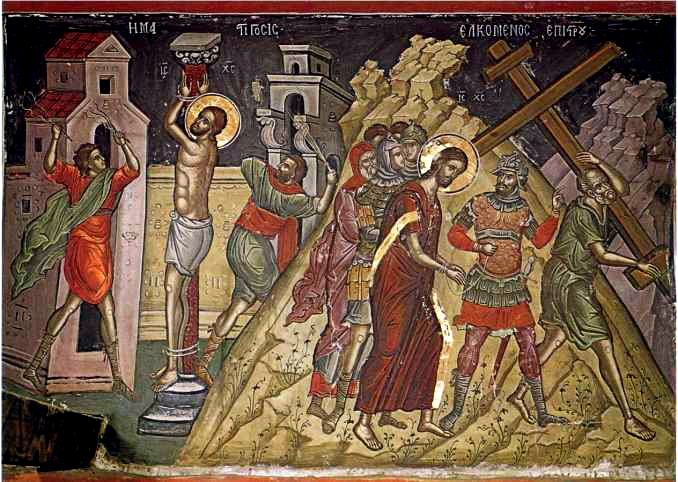
Good Friday stands at the heart of the Christian story—a day of silence, solemnity, and profound paradox. On this day, Jesus Christ, the Son of God, is crucified and dies for the salvation of humanity. It is the darkest moment of the Sacred Triduum and yet the most redemptive, for it is through Christ’s suffering and death that redemption enters the world. This solemn event, rooted in the Gospels (Matthew 27; Mark 15; Luke 23; John 19), has deeply shaped Catholic theology and the moral and cultural imagination of Western civilization.
The Cross and the Meaning of Suffering
At the center of Good Friday is the Cross—a symbol of death transformed into a sign of life. The crucifixion reveals a new understanding of suffering: not as meaningless pain, but as a redemptive offering. As Isaiah prophesied, “By his wounds we are healed” (Isaiah 53:5). Jesus’ willing embrace of the Cross opened the way for a moral vision that sees dignity in suffering when united with love and sacrifice.
This idea found fertile ground in Western culture, influencing art, literature, and philosophy. Medieval mystics like St. Catherine of Siena and St. John of the Cross meditated deeply on Christ’s Passion, seeing in it the mystery of divine love poured out for humanity. Their writings infused Christian Europe with a view of suffering that emphasized not despair, but redemptive purpose.
The Passion and the Western Ethic of Compassion
Christ’s Passion inspired a cultural transformation in how society treated the poor, the sick, and the marginalized. In the Roman world, weakness was often despised, but Christianity, through Good Friday, offered a radically different view: that the suffering person is sacred. Jesus’ cry from the Cross—”My God, my God, why have you forsaken me?” (Matthew 27:46)—echoes the voice of every sufferer and assures them that God is with them.
This perspective fueled the rise of hospitals, leprosariums, and charitable institutions throughout medieval and early modern Europe. Saints like Francis of Assisi, who imitated the Crucified Christ, embraced the poor as brothers and sisters, helping establish a culture of care that permeated the West. The very idea of human rights and the intrinsic dignity of every person is deeply rooted in the Passion narrative.
The Crucifixion and Artistic Imagination
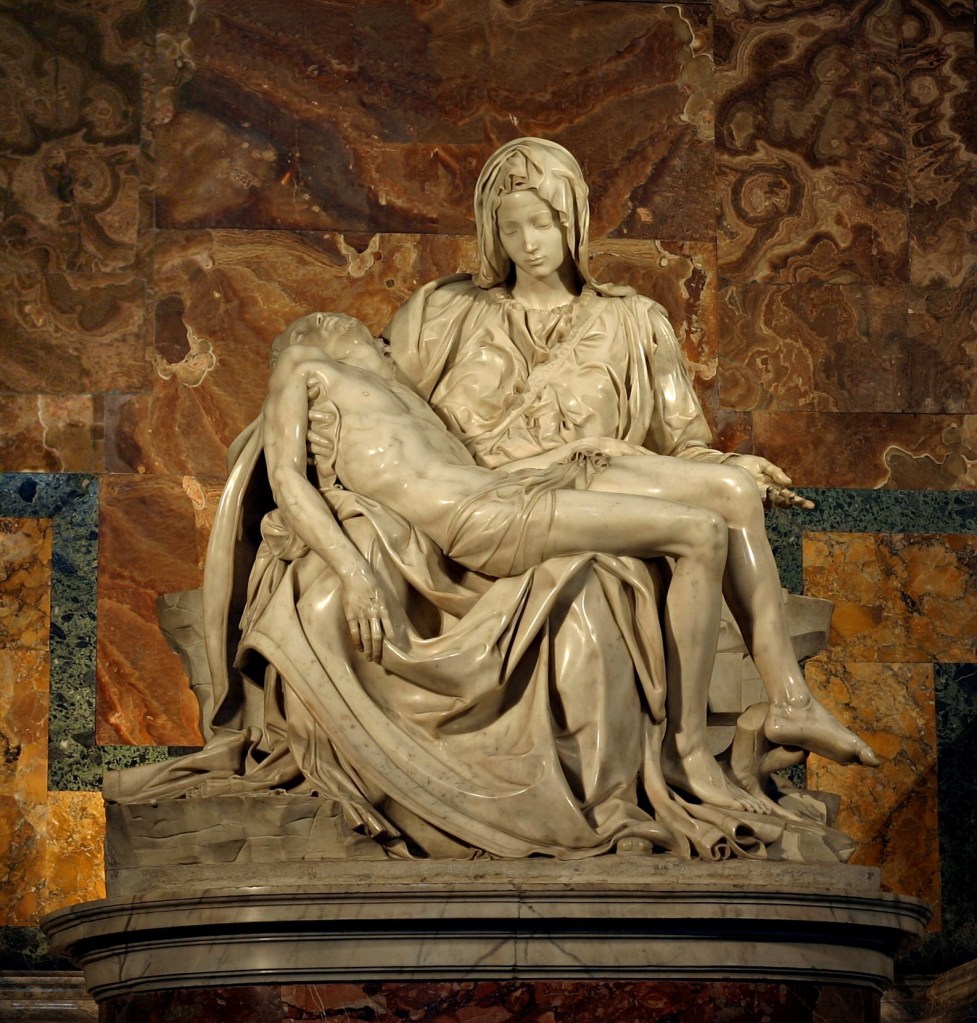
From the early Christian catacombs to Renaissance masterpieces and Baroque oratorios, Good Friday has been a wellspring of inspiration for the Western arts. The Crucifixion became one of the most represented scenes in Western painting, sculpture, and music—not merely for its historical import, but for its spiritual depth.
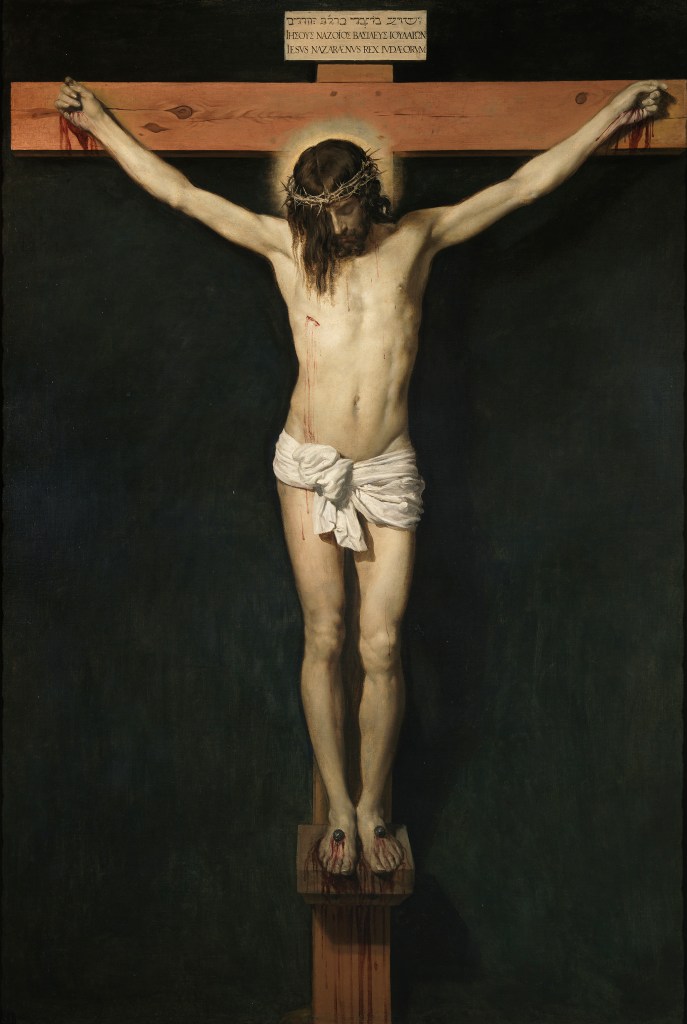
Artists like Michelangelo, Caravaggio, and Grünewald captured the physical and emotional agony of Christ, reflecting theological truths in visual form. J.S. Bach’s St. Matthew Passion remains a towering musical testament to the depth of sorrow and the hope of redemption found in the Cross. The Western artistic canon is filled with echoes of Good Friday because it resonates with the universal human experience of suffering and longing for meaning.
The Passion and Justice in Western Thought
The trial, condemnation, and execution of Christ also speak to questions of justice, power, and human conscience. Pilate’s reluctant sentencing, the betrayal by Judas, and the silence of the crowd highlight the frailty of human institutions and the need for moral courage. Good Friday exposes the tragic consequences of injustice and challenges individuals and societies to uphold truth and righteousness, even at great cost.
Catholic thinkers such as St. Augustine and later modern writers like Fyodor Dostoevsky reflected on the Passion as a lens through which to understand the human condition. The Crucifixion reveals the depths of sin but also the triumph of love over evil. In this, it has deeply influenced Western legal and ethical frameworks, emphasizing not only justice but mercy.
A God Who Suffers: Theological Foundations of Hope
Perhaps the most radical message of Good Friday is that God Himself chose to suffer. In Jesus, God enters into the darkest realities of human existence—not to escape them, but to redeem them. St. Paul writes, “For the message of the cross is foolishness to those who are perishing, but to us who are being saved it is the power of God” (1 Corinthians 1:18).
This mystery has sustained Christian believers and Western culture through times of war, plague, persecution, and despair. The Cross became a sign not of defeat, but of hope—a hope that transcends suffering and leads to resurrection. The theology of the Cross, deeply woven into Catholic teaching, has inspired resilience, compassion, and sacrifice.
Continuing Legacy in the West
Good Friday continues to echo through Western civilization in literature, human rights, healthcare, and public conscience. Even in secular contexts, the imagery of the Cross and the moral logic of redemptive suffering inform how Western societies respond to tragedy and seek justice.
As Pope St. John Paul II wrote in Salvifici Doloris, “Christ does not explain in the abstract the reasons for suffering, but before all else he says: ‘Follow me!’ Come! Take part through your suffering in this work of saving the world.” That call—to transform suffering into love—remains one of Christianity’s most enduring contributions to Western thought and life.
Read more about the Holy Triduum


Leave a comment