
The Holy Triduum, comprising Holy Thursday, Good Friday, and Holy Saturday culminating in the Easter Vigil, is the most sacred time of the liturgical year in the Catholic Church. This three-day liturgical journey through the Passion, Death, and Resurrection of Jesus Christ stands as a profound cornerstone not only of Christian spirituality but also of Western civilization. From the theological insights of Catholic saints to the teachings of the Church and the testimony of Scripture, the Holy Triduum has shaped Western history, art, law, morality, and identity in lasting ways.
Biblical and Liturgical Foundations
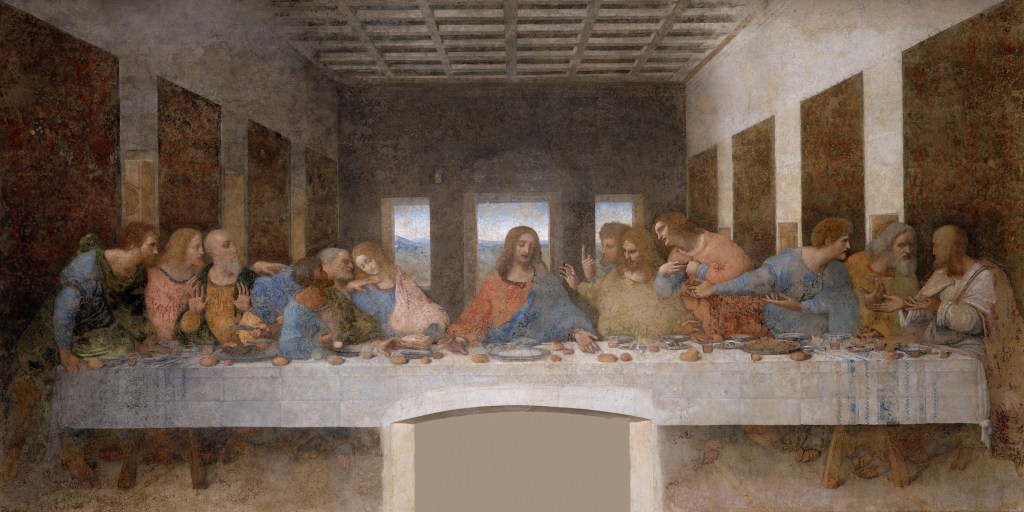
The Holy Triduum finds its roots in the Gospels and the early Christian liturgical tradition. Holy Thursday commemorates the Last Supper, where Christ instituted the Eucharist and Holy Orders (Luke 22:19-20). Good Friday solemnly remembers the Crucifixion and death of Jesus, highlighting His obedience unto death for the salvation of humanity (John 19). Holy Saturday, a day of waiting and contemplation, prepares for the celebration of the Resurrection, which explodes into joy with the Easter Vigil (Matthew 28).
The Catechism of the Catholic Church emphasizes that “the Paschal mystery of Christ’s cross and Resurrection stands at the center of the Good News” (CCC 571). The Triduum invites Christians to relive this mystery not as a past event, but as a living reality that defines the Church’s identity and mission.
Theological Reflections from Catholic Saints
From the early Church Fathers to mystics of the Middle Ages and beyond, Catholic saints have illuminated the Triduum’s meaning. St. Augustine spoke of the Cross as the “true judgment seat of Christ” and saw in the Triduum the fulfillment of salvation history. St. Thomas Aquinas, in his Summa Theologiae, explained the Passion as the supreme act of justice and love, reconciling divine mercy with divine justice.
St. Catherine of Siena meditated deeply on the wounds of Christ, seeing in them the wellsprings of grace. Her letters and dialogues reflect a theology deeply rooted in the events of Good Friday. More recently, St. John Paul II emphasized the Eucharistic character of Holy Thursday in his encyclical Ecclesia de Eucharistia, affirming that the Eucharist “contains the Church’s entire spiritual wealth.”
These saints’ writings and reflections were not limited to private devotion—they influenced theology, education, and civic life, becoming part of the cultural DNA of Western civilization.
Influence on Western Art and Literature
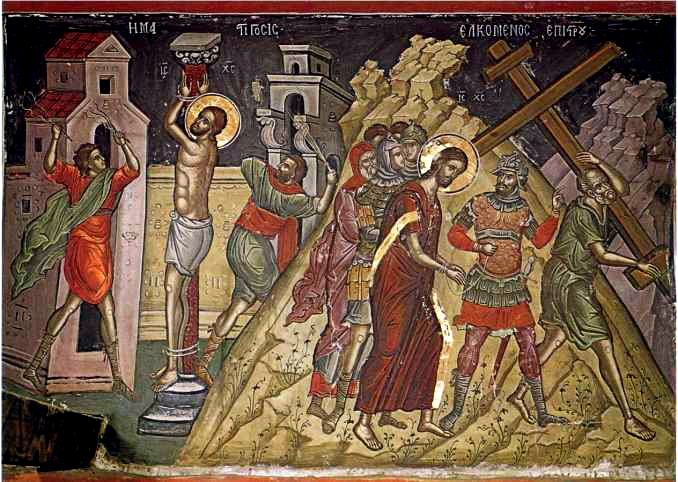
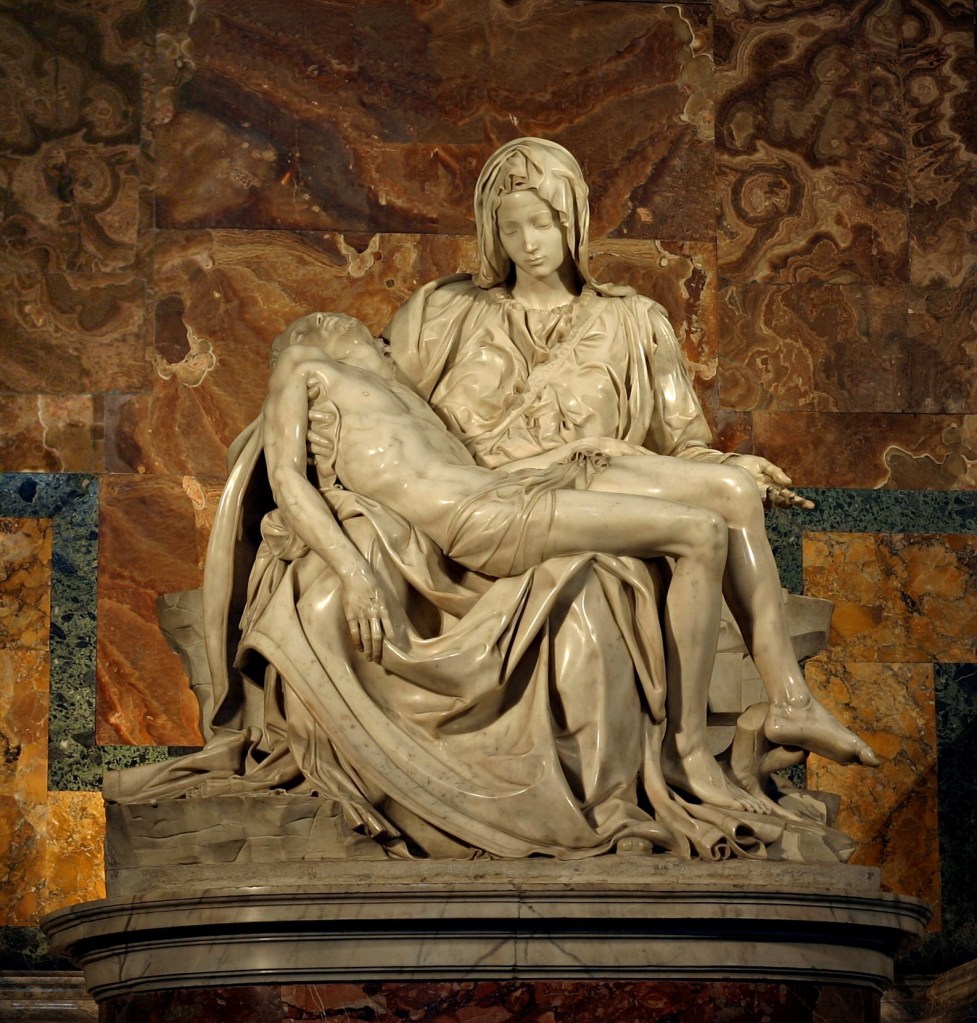
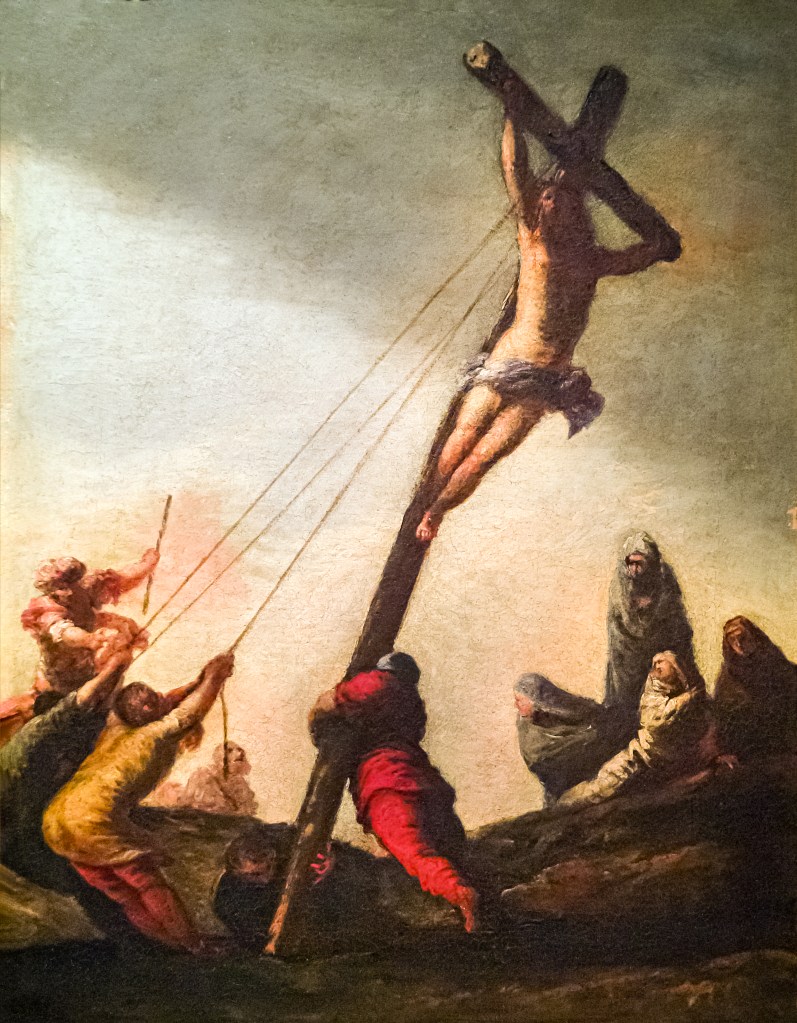
The Holy Triduum has inspired some of the greatest masterpieces in Western art and literature. The Last Supper has been immortalized by Leonardo da Vinci; the Crucifixion has been portrayed by artists such as Giotto, Michelangelo, and Caravaggio; the Resurrection has adorned countless church walls and illuminated manuscripts. Each artistic depiction did more than capture a biblical scene—it offered theological reflection and catechesis to a largely illiterate population.
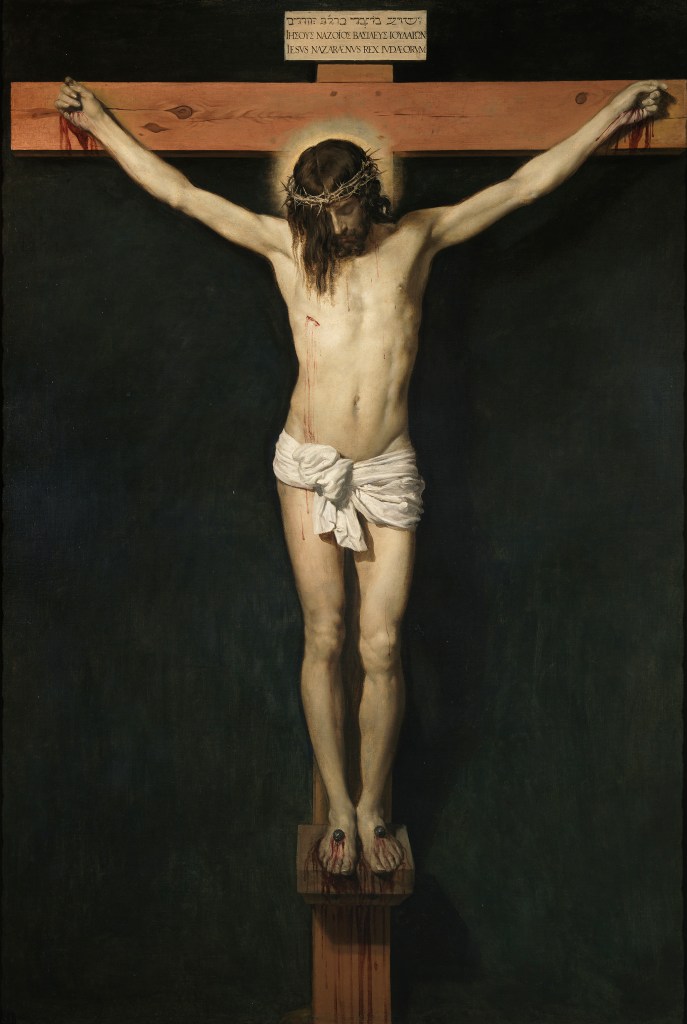
In literature, Dante Alighieri’s Divine Comedy moves through death to resurrection, mirroring the Triduum. Later poets and writers—John Donne, Gerard Manley Hopkins, T.S. Eliot—drew from the Triduum’s themes of sacrifice, redemption, and hope. The narrative arc of suffering leading to glory became a metaphor not only for personal sanctification but for the destiny of nations.
Shaping Western Law and Moral Philosophy
The Triduum, particularly the Passion of Christ, underscores the dignity of the human person and the redemptive power of suffering. This view deeply influenced the development of Western legal and moral thought. The idea that every human being has inherent dignity—worthy of respect and protection—traces back to the Christian conviction that Christ died for all.
The legal systems in the West, rooted in canon law and developed through the influence of Catholic moral theology, enshrined principles such as justice tempered by mercy, due process, and the sanctity of life. These principles, echoed in Good Friday’s themes of unjust condemnation and divine forgiveness, remain cornerstones of Western judicial frameworks.
The Triduum in Catholic History and Tradition
Throughout Catholic Church history, the Triduum has been a source of spiritual renewal and communal identity. The solemn rites of the Triduum—washing of feet, veneration of the cross, the Exsultet at the Easter Vigil—bind believers across time and space. These liturgies, preserved and adapted through centuries, served to evangelize cultures, unify societies, and mark the Christian calendar that shaped civic life in medieval and early modern Europe.
The Triduum also fostered the development of monasticism, which preserved literacy and learning during turbulent times in European history. Monastic communities followed the rhythm of the liturgical year, and the solemnity of the Triduum inspired elaborate ceremonies and profound theological reflection.
In the modern era, popes from Pius XII to Benedict XVI and Pope Francis have urged Catholics to rediscover the power of the Triduum. The Second Vatican Council’s Sacrosanctum Concilium restored the ancient practices of the Easter Vigil, affirming the Triduum as “the culmination of the entire liturgical year.”
Societal and Cultural Impact in Western Civilization
The Holy Triduum’s themes—service, sacrifice, suffering, death, and resurrection—are not confined to religion; they have profoundly shaped Western cultural values. Ideas such as compassion for the suffering, the nobility of self-sacrifice, and the hope of new beginnings are woven into the social and political fabric of the West.
Charitable institutions, hospitals, and humanitarian efforts often trace their origins to Christian convictions born from the Passion narrative. The concept of servant leadership, so central to Holy Thursday, influenced models of governance and public service.
In times of crisis—wars, plagues, revolutions—the Triduum’s message of hope beyond suffering became a cultural lifeline. Churches remained centers of community not just for worship, but for education, diplomacy, and refuge, providing a sacred lens through which to interpret history and human experience.
A Living Legacy
Today, the Holy Triduum remains a powerful expression of the Catholic Church’s spiritual heritage and its contribution to Western civilization. As Western society grapples with secularization, fragmentation, and a search for meaning, the Triduum offers a timeless rhythm of reflection, repentance, and renewal.
In the Triduum, the Catholic Church proclaims not just a doctrinal truth, but a way of life—a path through darkness into light. Its influence on the West is not only historical but ongoing, shaping consciences, communities, and cultures.
As St. Paul writes, “Christ our Passover has been sacrificed. Therefore let us keep the feast” (1 Corinthians 5:7-8). The Holy Triduum invites every generation to enter into the mystery of Christ’s love—a mystery that has and continues to transform the heart of Western civilization.
 Learn Western Culture
Leave a comment