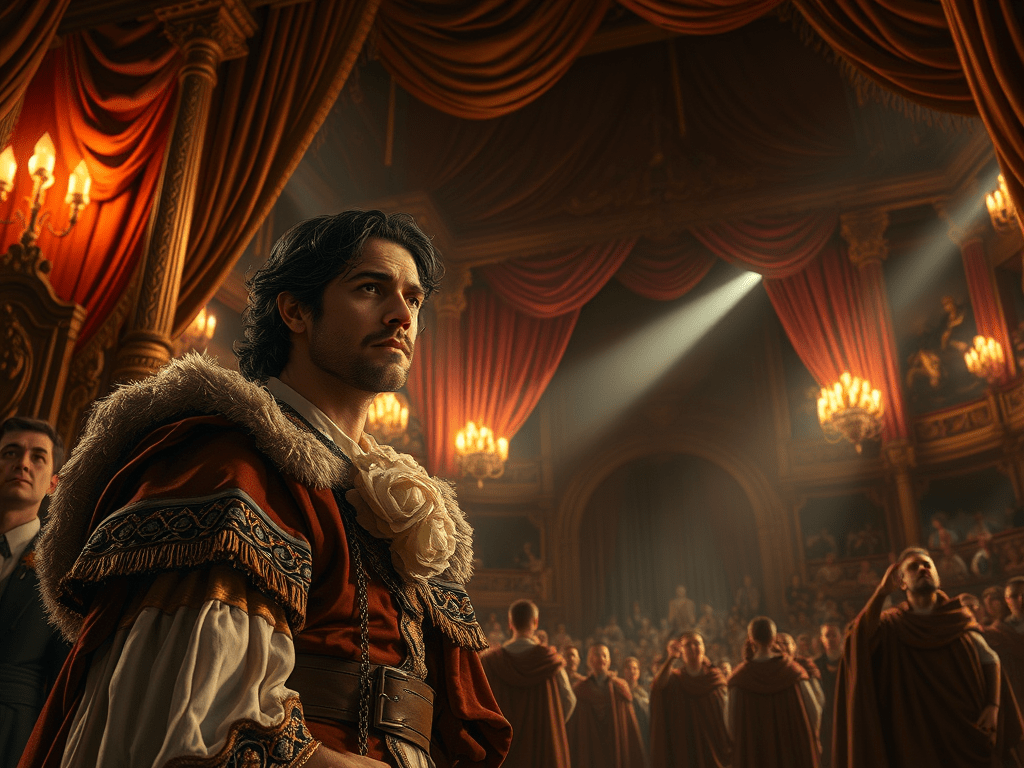
Renaissance Drama: The Theatrical Revolution in Renaissance & Early Modern Literature
Renaissance drama represents one of the most dynamic periods in literary history, redefining storytelling and theatrical performance within Renaissance & Early Modern Literature. Playwrights such as William Shakespeare and Christopher Marlowe elevated drama into an art form that blended classical influences, humanist philosophy, and innovative narrative techniques. Their works not only entertained but also challenged audiences to reflect on themes of power, identity, and human nature—contributions that continue to shape Western civilization today.
The Rise of Renaissance Drama
The Renaissance saw a revival of classical Greek and Roman dramatic traditions, adapted to the evolving intellectual and artistic landscape of the period. Unlike medieval morality plays, which focused on religious allegory, Renaissance drama emphasized complex characters, intricate plots, and profound philosophical questions. The development of professional theaters, such as the Globe in London, provided playwrights with a platform to engage diverse audiences, from commoners to royalty.
Shakespeare: The Master of Human Experience
William Shakespeare, the most celebrated figure in Renaissance drama, transformed the theatrical landscape with his unparalleled command of language, character development, and thematic depth. His tragedies (Hamlet, Macbeth, Othello) explored ambition, fate, and psychological turmoil, while his comedies (A Midsummer Night’s Dream, Much Ado About Nothing) blended wit, romance, and social satire. Shakespeare’s influence on Western literature is immeasurable, as his works continue to be studied, adapted, and performed worldwide.
Marlowe: The Pioneer of Tragic Heroism
Christopher Marlowe, Shakespeare’s contemporary, played a crucial role in shaping Renaissance drama with his bold themes and eloquent verse. His masterpiece, Doctor Faustus, explores the limits of human ambition and the consequences of unchecked desire. Marlowe’s use of blank verse and his portrayal of complex protagonists paved the way for later dramatic innovations, influencing Shakespeare and many playwrights who followed.
The Lasting Impact of Renaissance Drama
Renaissance drama left an indelible mark on Western literature and theater, shaping storytelling techniques, dramatic structure, and character development. The themes explored in the works of Shakespeare and Marlowe—love, power, betrayal, and existential doubt—remain relevant today, demonstrating the timeless nature of Renaissance & Early Modern Literature.
Theatrical innovations from this period continue to influence modern drama, film, and literature, ensuring that Renaissance drama remains a cornerstone of artistic and cultural expression. As audiences around the world still flock to see Shakespeare’s plays performed centuries after they were written, the legacy of Renaissance drama endures as a testament to the transformative power of storytelling.
 Learn Western Culture
Leave a comment